Pupils build social skills through opportunities to take on responsibility and work collaboratively with others. School Council and pupil leadership roles allow pupils to develop confidence, communication, and decision-making skills while representing the views of their peers. Teamwork is further strengthened through participation in clubs, sports, and residential experiences, where pupils learn cooperation, resilience, and mutual support. Community service and fundraising activities also encourage pupils to work together for a common purpose and to contribute positively to the wider community.
All about Personal Development at St Joseph’s
At St. Joseph’s, we believe that a child’s education should nurture much more than just academic skills. Our curriculum is designed to help each child grow into a well-rounded individual, fully prepared for the experiences, responsibilities, and relationships of adult life. Rooted in our Catholic values, we celebrate each child’s unique qualities and guide them in becoming responsible, respectful, and active members of their community.
Our Personal Development Curriculum is a central part of this mission. It goes beyond traditional learning to include values that promote compassion, respect, and social awareness. Through our teaching, we support children in building the confidence and moral foundation they’ll need to contribute positively to society as adults. At every stage, we provide guidance and experiences that help them understand and engage with the world around them.
As a distinctly Catholic school, we are dedicated to fostering a strong sense of community and belonging, emphasising respect for others and a deep understanding of our faith. This commitment to holistic development is reflected in the way we plan and deliver every aspect of our personal development curriculum, ensuring that each child is supported to grow in heart, mind, and spirit.
Personal Development Aims at St Joseph’s
Promote Self-Awareness and Confidence
Encourage children to understand and appreciate their strengths, areas for improvement, and unique qualities, building self-esteem and confidence to face new challenges.
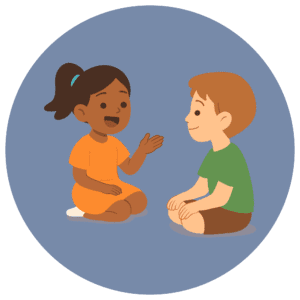
Develop Social and Interpersonal Skills
Teach skills like empathy, active listening, cooperation, and conflict resolution, equipping students to form healthy relationships and communicate effectively with others.

Encourage Emotional Resilience
Provide strategies for managing emotions, coping with setbacks, and developing perseverance. This includes teaching children how to identify and express their feelings in constructive ways.
Instill Moral and Ethical Values
Reinforce core values such as respect, kindness, honesty, and responsibility, fostering a sense of integrity and an understanding of right and wrong.

Promote Community Awareness and Citizenship
Help students understand their roles within their communities, including the importance of respect for diversity and social responsibility. Encourage participation in activities that contribute to the well-being of the community.

Foster Healthy Lifestyle Choices
Educate children on the importance of physical health, nutrition, and mental well-being, empowering them to make positive lifestyle choices from a young age.

Build Independence and Self-Motivation
Cultivate a sense of responsibility for their own learning and actions, encouraging them to take initiative, set goals, and strive towards self-improvement.

Encourage Cultural Awareness and Respect for Diversity
Expose students to a variety of cultures and perspectives, helping them develop an appreciation for different backgrounds and fostering an inclusive mindset.

Develop Critical Thinking and Decision-Making Skills
Guide children to think critically, solve problems, and make informed decisions, encouraging curiosity and a love for lifelong learning.
Prepare for Future Roles and Responsibilities
Lay the foundation for future roles as responsible citizens and ethical leaders, instilling a commitment to contribute positively to society as they grow.
What pupils experience at St Joseph’s
Pupils grow spiritually through daily prayer and acts of worship that encourage reflection and a deeper connection with their faith. The Religious Education (RE) curriculum, alongside liturgical celebrations, supports pupils in developing a strong understanding of Christian beliefs and values while also learning about and respecting other faiths and religions. Opportunities for reflection, meditation, and prayer further allow pupils to think deeply about their experiences, develop inner awareness, and strengthen their spiritual wellbeing.
Pupils develop moral understanding through the virtues curriculum, which encourages them to reflect on values such as kindness, honesty, and respect. A restorative approach to behaviour helps pupils take responsibility for their actions, understand the impact of their choices on others, and learn how to repair relationships. In addition, charity work and Faith in Action activities provide opportunities for pupils to put these values into practice by supporting others and contributing positively to their community.
Pupils broaden their understanding of the world through learning about different faiths and cultures in Religious Education (RE), helping them to develop respect and appreciation for diversity. The use of diverse books and inclusive curriculum content also exposes pupils to a wide range of perspectives, experiences, and backgrounds. In addition, visits, trips, music, art, and performances enrich pupils’ learning by providing meaningful cultural experiences and opportunities to engage with the wider world.